
How to Treat AI as a Smart Investment, Not an Overlooked Cost
For the past couple of years, most of us have treated AI the same way we treat electricity in a holiday house we’re renting. Switch it on, use as much as you like, and don’t think about the bill. That’s about to change, and if you’re running an online business, you may not have clocked it yet either.
It’s easy to see why. When something feels free and unlimited, you stop asking whether it’s worth using. You just use it.
That’s especially true if you’re already saying you just don’t have the time to do half of what you’d like in a week. It’s a phrase I hear often from people in this business.
AI has been the thing that quietly bought some of that time back for you. Fair enough.
But an AI investment is exactly what it’s becoming, whether we’ve decided to call it that or not. Treat it like one from here, and you’ll be in a considerably better position than the businesses still treating it like a tap that never runs dry.
The Free Ride Was Never Guaranteed
The newest generation of AI models needs enormous amounts of computing power to run. That’s not a rumour; it’s simple economics.
Several of the big AI companies are already experimenting with charging separately for their most capable models. Others are capping how much you can use on plans that used to feel bottomless.
OpenAI’s own chief executive has suggested, more than once, that intelligence could end up priced rather like electricity. You’d pay for what you consume, not a flat fee regardless of how much you switch on.
Nobody knows exactly how this settles. Competition between providers will keep some pressure on prices, and you’re unlikely to see it all become eye-wateringly expensive overnight.
But unlimited for one low monthly fee was never a permanent arrangement. It was an introductory offer, and introductory offers end.
Every Prompt Becomes a Business Decision
When AI feels unlimited, it’s tempting to use it for everything: brainstorming, rewriting, research, images, endless experimenting just to see what happens. There’s nothing wrong with that while it’s free. The trouble comes if you’ve built habits around free and the ground shifts under you.
The businesses that get the most out of AI won’t necessarily be the ones firing off the most prompts. They’ll be the ones asking a slightly duller, more useful question before they type anything: what’s the return here, for you?
Treat AI like a business asset, not an unlimited toy.
That’s not me being precious about it.
It’s the difference between using a tool and being used by one.
Save your AI time for the piece of writing that needs to land, or the research that would otherwise eat your afternoon. Don’t burn it on twenty versions of a headline nobody will ever compare properly.
What a Clashing Calendar Taught Me About Assuming Things Will Go Your Way
My husband and I once booked an event for the same weekend as Wimbledon and a football final. Once we realised our error, we made the fairly optimistic assumption that people would come along regardless.
That’s much the same assumption a lot of businesses have been making about AI. The terms will simply stay generous, whatever else is happening around them, or so the thinking goes.
Ticket sales were harder than usual that time. We got there in the end, sold every seat, no refunds needed.
That only happened because we noticed early enough that the timing was working against us. We adjusted how hard we pushed, and when. We check the calendar properly before we commit to a date now, rather than hoping it won’t matter.
If you’re planning anything that depends on people’s spare time and attention, whether that’s a launch, a webinar or a live event, check what else is competing for that weekend. It costs you nothing to look, and it can save you a difficult few weeks of sales.
The AI investment question works the same way. You don’t need to panic about pricing that hasn’t happened yet.
You do need to stop assuming the current terms are permanent, and build the habit of checking. Otherwise you risk being the business still running the old plan after everyone else has adjusted.
Working Out What AI Earns You
This doesn’t need to be complicated. Before you lean on AI for something, it’s worth asking what it’s saving you, in time or in money. Compare that with doing it yourself, or not doing it at all.
A tool that drafts your follow-up emails and saves you two hours a week is earning its place. A tool you’re using to generate fifteen versions of something you were only ever going to publish once probably isn’t. It’s entertaining to watch it work, but that’s not the same as it earning its place.
Say you use AI to write the emails that go out to your list every week. If it saves you ninety minutes and the emails perform the same as the ones you wrote yourself, that’s a clear win worth paying for. That’s true even if the price changes.
If you’re instead using it to churn out twenty variations of the same subject line and picking one by feel, you’re paying for volume you never needed. That’s the habit worth breaking before it costs you anything.
I’ve written before, in some of the other pieces I’ve shared recently, about the habit of keeping proper notes on the people you deal with. It matters more than treating everything as disposable. The same instinct applies here.
Keep half an eye on what you’re getting back for the time you put in. You won’t be caught out, however the pricing eventually lands.
The Businesses That Will Cope Just Fine
Here’s where I stand on this, because it matters for you too. I’m not convinced by the idea that AI on its own can take someone from a blank page to a proper income by teatime.
Charging by usage doesn’t change that either way. The tool was never the whole answer. The person using it properly, with some knowledge of their own audience and their own numbers, always was.
What changes is that sloppy, unmeasured use of AI is about to cost you something, where before it cost you nothing but time. That’s not bad news.
It just means the habit of treating an AI investment as a genuine investment, worth measuring rather than assuming, is about to matter more to you. It mattered less last year.
Start now, while it’s still a choice rather than a necessity, and you’ll barely notice the change when it comes.
Best wishes for now,
Kate
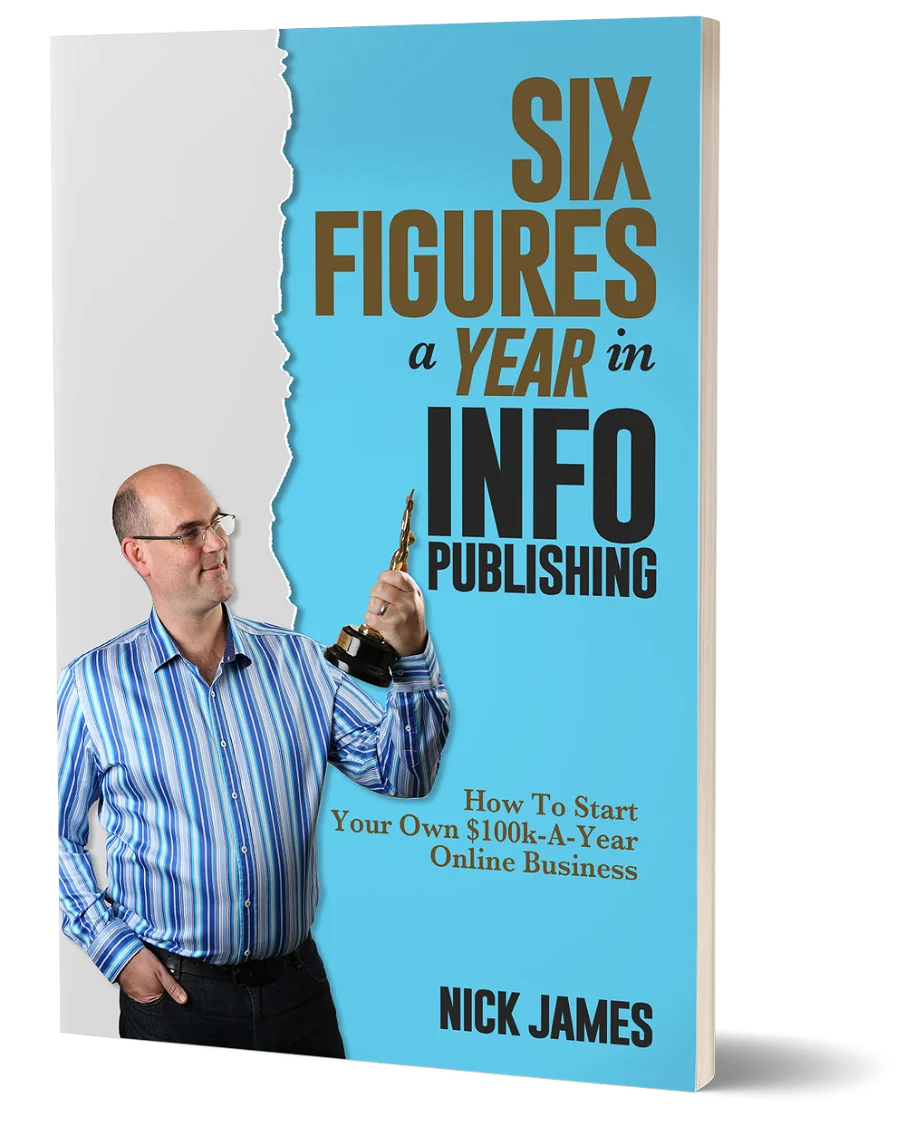
Author offers a FREE copy of this book to his next door neighbor... to prove he's not a drug dealer!
Now claim your FREE COPY.
and follow the step-by-step instructions for making the kind of money (and living the kind of lifestyle) that'll get your neighbors curtains twitching with curiosity!
Enter your details below to discover how to claim your FREE COPY of 'Six Figures A Year In Info Publishing' ...
Privacy Policy : We value your privacy. You can unsubscribe from receiving future emails with 1 click at any time.