Reveal the Hidden Question That Builds Subscriber Trust
Someone sent me a Facebook friend request with no message attached, and I have never understood why people think that is enough. Much the same thing happens on an opt-in page: a stranger arrives, and the business behind it assumes it does not need to explain itself either.
I asked how we knew each other. He told me Facebook had simply suggested it. When I asked what he needed, he said nothing… he had changed his mind by the end of it, and withdrew the request.
My point was never really about Facebook. If you are reaching out to somebody you do not know, for networking or anything else, say why. It costs one sentence, and it saves everyone the runaround.
That missing sentence is exactly what is costing most businesses their subscriber trust before a reader ever gets as far as the opt-in box.
Most people never stop to ask why a subscriber would trust them enough to join a list in the first place. They write a strong headline, promise a benefit, and hope curiosity does the rest.
Curiosity brings someone to the page. It does not answer the doubt sitting underneath it.
The Question Underneath the Question
Everyone assumes their audience is asking one obvious thing: does this work? It rarely stops there.
Underneath it sits a second, quieter question, and it is usually more specific than the business ever bothers to answer. Somebody wondering whether to join a list for people building an income outside their day job is not really asking whether it is possible.
They already believe it is possible, or they would not be reading. What they are really asking is whether it is possible for them, given how little spare time they have.
I hear a version of that doubt often enough to recognise it instantly: I just don’t have the time. It rarely gets said directly to a marketer’s face. It gets said to a friend, or typed into a search box, or simply thought and never followed up on.
A list built to answer the loud question and ignore the quiet one loses people it never even knew it had.
Write Down What They Are Really Saying
You cannot answer a doubt you have never heard stated plainly. So write it down, in the audience’s own words, however rough it sounds.
I keep a short, honest list of the phrases I hear repeated back to me. Nobody helped me is one of them. I didn’t get any support is another.
Neither is really a complaint about a specific product. Both are a version of the same fear: that buying something and being left to work it out alone is what happens next.
Most of that fear has nothing to do with the product being poor. It has to do with somebody buying something, sending one email, hearing nothing back within a day, and deciding the whole thing was a waste.
The product was rarely the real problem. The follow-through was.
Once you have the actual phrase, you can write directly to it instead of talking past it, and that is where subscriber trust quietly gets built or quietly gets lost.
Answer It Before They Ask
Here is where most opt-in pages and welcome emails go wrong. They spend all their effort proving the big claim and none of it addressing the smaller, more honest worry sitting next to it.
If time is the real objection, say so plainly, before anyone has to ask. Tell a new subscriber exactly how long the first useful thing will take them, not how big the eventual result might be. If support is the real objection, say what happens after somebody buys: who they can email, and roughly how quickly they will hear back.
I write more about this kind of thing in other articles I have shared recently, mostly because it keeps coming up once you start paying attention to it.
None of this needs to be clever. It needs to be specific enough that the reader recognises their own doubt on the page, rather than a generic promise sitting nowhere near it.
What This Looks Like in Practice
Suppose you are building a list for people who want a way out of a nine-to-five job. The obvious page promises freedom, flexibility, an income they control. All true, and all things they have already heard from a dozen other pages.
The braver page says something closer to this: most people who join here already work full time. So the first three emails are built to take ten minutes each, not an evening.
It tells them exactly what happens if they buy something and are not sure what to do with it. That is the exact fear sitting behind I didn’t get any support.
It costs you nothing to say this.
It costs you subscribers not to.
Test it on your own welcome sequence this week. Read the first email as if you are the person who has already been burned once.
Already short on time, already half expecting to be left to work it out alone. Does it answer that person, or does it talk past them toward somebody more confident than they currently feel?
The Cost of Assuming They Already Know
The man who sent that friend request was not being deliberately difficult. He truly believed Facebook suggesting my name was reason enough to expect a conversation.
If you are reaching out to somebody you do not know, say why. It costs one sentence, and it saves everyone the runaround.
A subscriber opting in works the same way. They do not owe you their trust simply because your page exists and Google, or a friend, pointed them toward it. You owe them the sentence that explains why they should stay.
Leave that sentence out, and you are not really building subscriber trust at all. You are collecting addresses that will quietly stop opening anything you send.
Write down the phrase your own audience keeps repeating. Answer it before they ever have to ask. That one habit will do more for your list than another clever headline ever will.
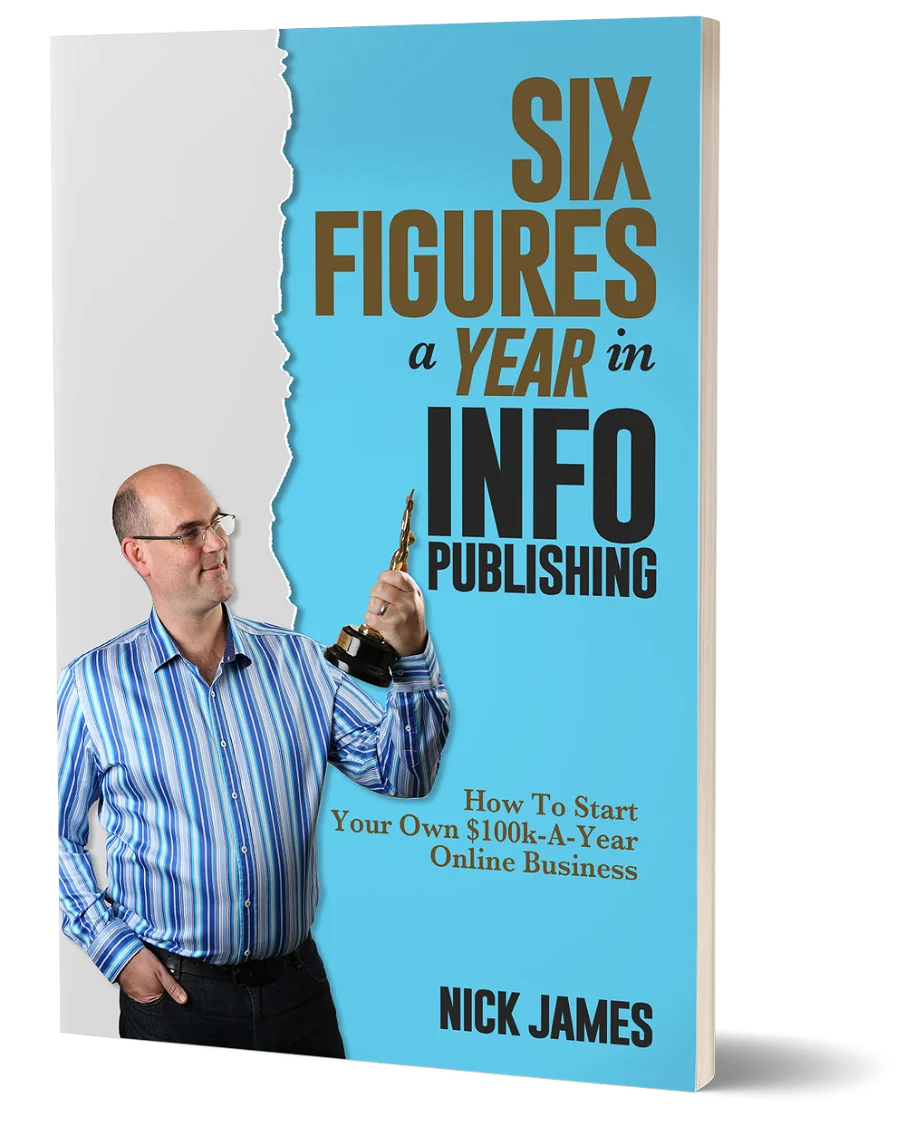
Author offers a FREE copy of this book to his next door neighbor... to prove he's not a drug dealer!
Now claim your FREE COPY.
and follow the step-by-step instructions for making the kind of money (and living the kind of lifestyle) that'll get your neighbors curtains twitching with curiosity!
Enter your details below to discover how to claim your FREE COPY of 'Six Figures A Year In Info Publishing' ...
Privacy Policy : We value your privacy. You can unsubscribe from receiving future emails with 1 click at any time.