
What’s The Secret Reason Your Call To Action Keeps Failing?
Most marketers believe a good call to action does the same job no matter who reads it. I think that’s wrong, and it’s worth saying plainly before anything else.
Two people can land on the same page today. One has never heard of you before. The other has read three of your emails already and is one click from joining your list. Show them the identical call to action, and you are not persuading either of them properly. You are guessing.
I see this mistake constantly, and I used to make it myself. A line built for someone ready to act gets wasted on someone still deciding whether they trust you at all. A gentler line, aimed at someone still weighing things up, does nothing for a reader who has already made up their mind.
The fix isn’t a cleverer sentence. It’s matching what you ask for to where your reader actually stands.
Why One Line Can’t Do Four Jobs
Every reader moving toward buying something, or joining your list, passes through a handful of honest stages, whether you ever map them out or not.
Some have just noticed a problem exists, with no real plan yet. Some are actively comparing you against two other tabs open on their screen. Some have already decided, and are one honest nudge from acting.
Ask all three of them for the same thing, in the same tone, and you haven’t written one call to action. You’ve written three slightly wrong ones.
The Four Stages Your Reader Moves Through
The first stage is simple awareness. Your reader knows something is off, but has no plan yet. Curiosity does more work here than urgency ever could.
The second stage is research. Your reader is looking for a fix, and weighing what other people like them have already tried. Showing them someone who has already solved the same problem matters more than any clever phrase.
The third stage is comparison. Your reader has narrowed the field and is weighing you against something else open in another tab. A genuine point of difference earns trust here. Louder claims do not.
The fourth stage is the decision itself. Your reader already wants what you’re offering. They need one honest reason to act today rather than next month. This is the only stage where real urgency belongs at all.
Picture someone who has just downloaded a free guide. Telling them to grab a bonus before midnight means nothing. They don’t yet know what the bonus is attached to.
Now picture someone who has read six of your emails and already has the product in mind. Asking them to “want to learn more” wastes the moment. They don’t want to learn more. They want one good reason to act today.
A call to action aimed at the wrong stage does not just underperform. It quietly teaches your reader to stop trusting your urgency altogether.
What This Looks Like In Your Own Emails
I spend a fair amount of my week among our subscriber support, so I notice this pattern constantly, not in theory but in actual replies.
A brand new subscriber is still at that first stage. Asking them to buy something in the welcome email is asking a stranger to make a decision they haven’t earned the right to make yet.
Will this work for someone exactly like me? That’s the question sitting underneath almost every reader, at every stage, whether they say it out loud or not.
Most of the people on our own list aren’t browsing for fun. They’re looking for a way out of a job they’re tired of, or something to build alongside it. A reader at that first stage needs to feel understood, not sold to.
I’ve seen affiliates drop the same link into a Facebook group, a forum post and a brand new subscriber’s welcome email, all with identical wording. None of those readers are standing in the same place. Expecting one line to work in all three spots rarely ends well.
The Proof That Closes The Gap
The clearest call to action pages don’t lean on volume or urgency alone. They carry proof matched to exactly where the buyer stands, specific rather than vague, aimed at the exact doubt sitting in front of that one reader.
A countdown clock speaks loudest to someone who has already decided. It says nothing useful to someone still weighing their options. What moves a comparing reader is a genuine point of difference, shown rather than simply claimed.
That’s the part worth borrowing, whatever you’re promoting this month.
Matching The Platform As Well As The Stage
Where your reader meets your call to action changes things too.
Someone scanning an email is in a different frame of mind to someone reading a full page they clicked through to find. A short, curious nudge works well in an inbox. A full page can carry more weight at once, several honest reasons working together, because your reader is there specifically to decide.
I keep this in mind whenever I’m helping with our own newsletter. You can read a bit more about how we think through our subscriber emails in other articles I have shared recently, and the same pattern turns up again once you start looking for it.
One Small Test Worth Running This Week
Pick one call to action you currently have live, whether that’s inside an email or on a page.
Ask one plain question about it. Which stage is the reader standing in when they reach it?
If the honest answer is early awareness, drop any invented deadline completely. Lead with something useful instead. If the reader is already comparing you against someone else, focus on what makes you different, not louder. If they’re ready to decide, that’s the one place real urgency belongs.
Most pages I’ve looked at over the years don’t need a full rewrite. They need one honest look at who is standing in front of them before you ask for anything at all.
None of this means rewriting every email you own this week. It means noticing, before you write the next line, where your reader stands, and asking for something they’re genuinely ready to give.
Best wishes for now,
Kate
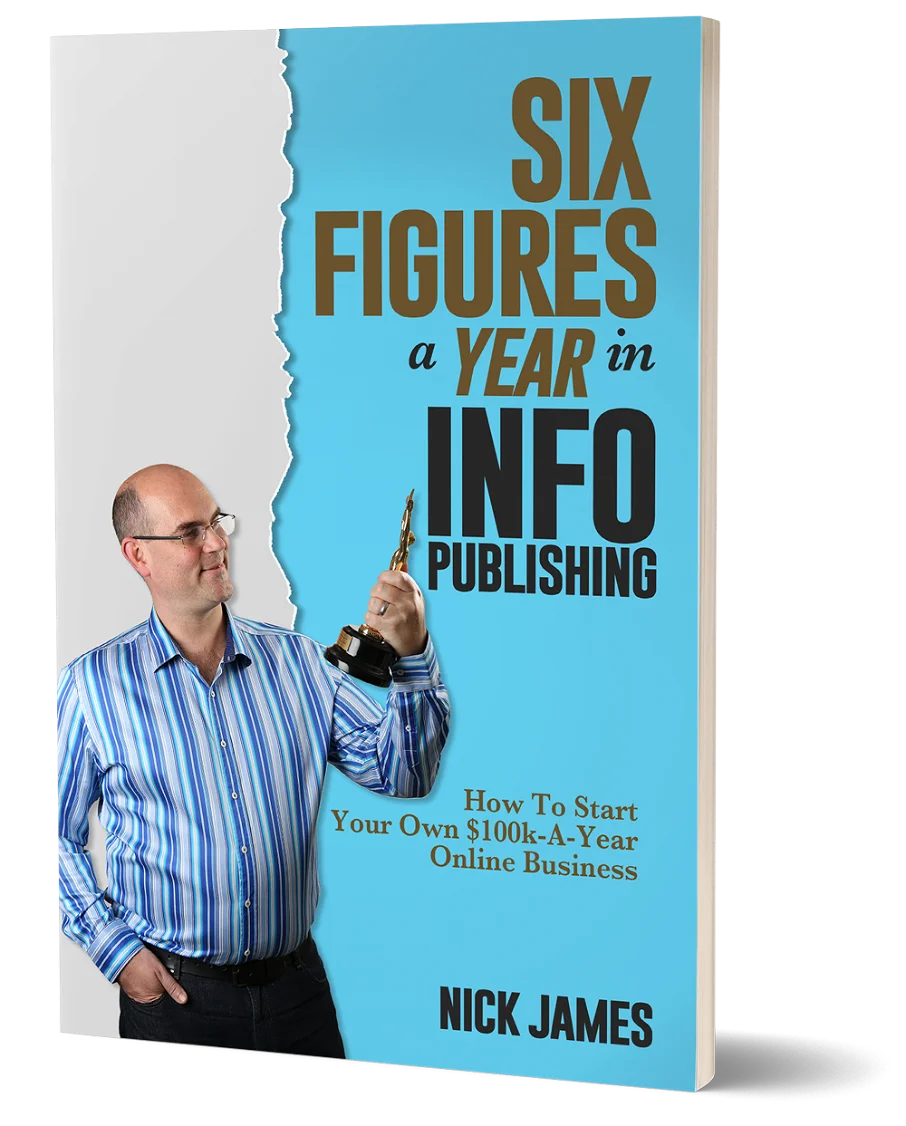
Author offers a FREE copy of this book to his next door neighbor... to prove he's not a drug dealer!
Now claim your FREE COPY.
and follow the step-by-step instructions for making the kind of money (and living the kind of lifestyle) that'll get your neighbors curtains twitching with curiosity!
Enter your details below to discover how to claim your FREE COPY of 'Six Figures A Year In Info Publishing' ...
Privacy Policy : We value your privacy. You can unsubscribe from receiving future emails with 1 click at any time.