
How To Reveal A Costly Mistake Before You Build Anything
You already have a clear picture of the finished thing. The page built, the emails written, the course sitting ready to take orders while you get on with your day.
Here is the part nobody enjoys thinking about: nobody has told you yet that they want it.
I hear a version of this often in the messages we get. Someone builds the whole thing first, launches it, and waits. When the sales do not arrive, the explanation is usually nobody helped me, or the platform let them down.
Most of the time, though, the real problem happened months earlier. Nobody had actually asked a buyer whether the problem was worth solving in the first place.
Learning to validate your idea before you build it is the one habit that protects you from spending months on something nobody was waiting for.
The Order Most People Get Backwards
Most people building something new start with the product. A guide, a course, a tool, a service. It feels like progress because you can see it taking shape in front of you.
The trouble is, building feels like work, and work feels like it deserves a sale. It does not. A finished product proves you can finish things. It proves nothing about whether anyone wanted it in the first place.
Demand has to be confirmed before the thing exists, not after. That single swap in order is the difference between months of guessing and one afternoon of finding out.
It sounds obvious written down like that. In practice, it is the step almost everyone skips, because asking is uncomfortable and building feels productive.
Find The Problem Before You Touch The Product
Start with people, not ideas. Pick a group you understand, even slightly: new affiliates, Etsy sellers, small service businesses, anyone you could realistically reach.
Then go and read what they actually say. Forums, Facebook groups, comment sections, reviews. Look for the same complaint turning up again and again, in their own words.
Say you are looking at small service businesses. You might find the same handful of words turning up review after review: no idea how to price what they do. That phrase is worth more than a page of market research, because it tells you exactly where the hesitation sits. This is how you validate your idea before spending a weekend building anything around it.
I have written about building this kind of attention in other articles I have shared recently, and the pattern holds here too. The problem worth solving has to be theirs, not the one you assumed they had.
Write down the exact sentence people use, not a tidy paraphrase of their frustration. That sentence becomes your opening line, your headline, your first message, whatever you need it for later.
This is the bit most people shorten into one afternoon of guessing. Give it real time instead. The idea you end up with will be smaller, duller sounding, and far more likely to sell.
Ask One Stranger, Not An Algorithm
Somebody once sent me a Facebook friend request with no message attached. When I asked how we knew each other, he said Facebook had just suggested it.
I asked what he needed. He said nothing, he had just changed his mind. By the end of the exchange he had withdrawn the request entirely.
It was not really about Facebook. If you are reaching out to someone you do not know, for networking or anything else, say why. It costs you one sentence and saves everyone the runaround.
The same rule applies when you are trying to find out whether an idea is worth building. A generic message asking someone to check out my new thing gets ignored for the same reason that friend request did. There was no reason attached to it.
If you have already found a complaint about pricing, do not ask whether someone would like a pricing guide. Ask what they currently charge, and whether they have ever lost work over it. A specific question like that tells you something a general one never could.
A specific message works differently. Tell someone what you noticed about their situation, then ask one direct question about it. People answer questions aimed at them. They ignore ones aimed at everyone.
Let AI Help You Move Faster, Not Decide For You
AI is useful here, so long as you remember what it cannot do. It can sort forty comments into five recurring complaints in a minute. It cannot tell you whether a stranger will actually pay for the answer.
I think a lot of people get the order wrong twice over. They ask AI for business ideas instead of asking real people about their problems, then they ask AI whether the idea will work instead of asking a buyer.
Demand has to be confirmed before the thing exists, not after.
AI can draft the sample, write the first version, tidy the explanation. It cannot stand in for the one conversation that tells you whether any of it was worth doing.
Use it to move faster once you already know the answer, not to avoid finding the answer out. That distinction is where most of the disappointment in this market actually comes from.
The One Question That Saves You Months
Before you build anything else, find one person with the problem you think you have found. Ask them one direct question: would they pay to have this solved, and what would they expect for their money.
Do not run a survey of ten people and average the answers. Ask one real person a real question and listen properly to the reply. You will learn more from that single conversation than from a week of planning alone.
If the answer is no, that is not failure. That is a far cheaper lesson than finding out the same thing after months of building something nobody wanted.
And if the answer is yes, you now have something worth more than a finished product sitting untested: a real person, waiting to see what you build next.
That one small exchange, repeated a handful of times, will tell you more about whether your idea belongs in the world than any amount of building ever will. That is what it means to validate your idea before you build it, rather than after.
None of this makes the work glamorous. It is one conversation, one honest answer, one small adjustment before you spend a weekend you cannot get back.
Start smaller than feels comfortable. Ask before you build. The rest tends to follow on its own.
Best wishes for now,
Kate
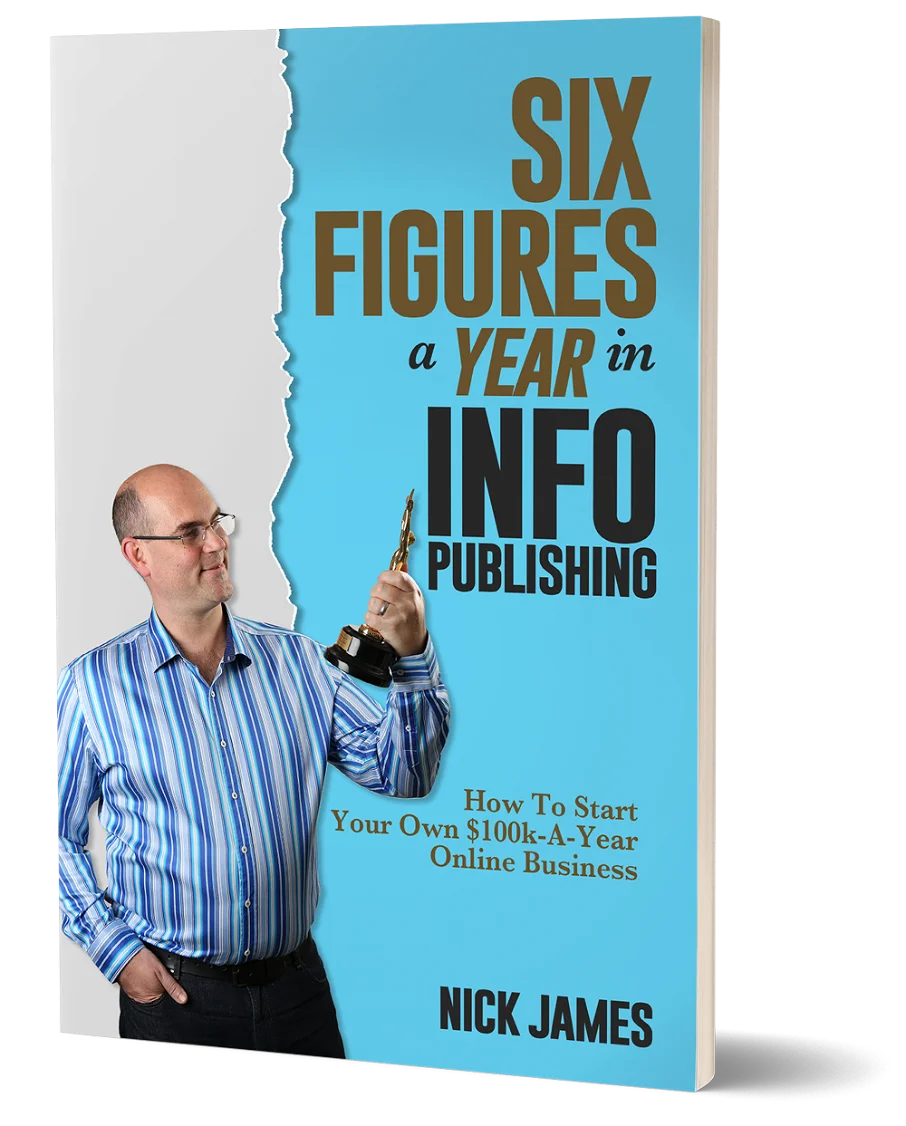
Author offers a FREE copy of this book to his next door neighbor... to prove he's not a drug dealer!
Now claim your FREE COPY.
and follow the step-by-step instructions for making the kind of money (and living the kind of lifestyle) that'll get your neighbors curtains twitching with curiosity!
Enter your details below to discover how to claim your FREE COPY of 'Six Figures A Year In Info Publishing' ...
Privacy Policy : We value your privacy. You can unsubscribe from receiving future emails with 1 click at any time.