
The Surprising Way Every Email Ask Carries A Hidden Cost
I have spent fourteen years managing subscriber support, database corrections and invoicing for our business, and one pattern shows up again and again. The subscribers who stay longest are almost never the ones we asked the most from.
They are the ones we gave something to first.
Most people building an email list think of every message as a transaction: send, click, convert, repeat. I think of it differently, because of where I came from before this. Every email you send that asks for something is a small withdrawal. If you never make a deposit, the account eventually runs dry, and the person on the other end quietly walks away.
That is the whole problem with how most people manage subscriber relationships. They ask constantly and give rarely, then wonder why open rates fall and unsubscribes climb.
The Withdrawal Nobody Notices
Every email asking a subscriber to click through to a page, watch a webinar, or buy something costs you a little goodwill. Not much, on its own. One email will not lose you a subscriber.
But do it every single time, with nothing given in return, and you are running an account that only ever goes one way.
Subscribers notice this, even when they cannot name it. They stop opening. They stop clicking. Eventually they leave, and most business owners never work out why, because no single email caused it.
What Recruitment Taught Me About Being Remembered
Long before I managed subscriber relationships for an online business, I managed them for a recruitment desk. I placed physiotherapists and occupational therapists from South Africa, Australia and New Zealand into the NHS.
I kept notes after every call. Not just the job requirements, but the small things: a client’s children’s names, their dog, where they had just been on holiday. It felt like common courtesy at the time, but it was also, I now realise, exactly the same account I am describing here.
Clients came back to me first with new vacancies, ahead of other consultants who were only ever chasing the next placement. That mattered a great deal, because I was a single mother then and my income depended on it.
The mechanics are identical whether you are working a recruitment desk or an email list. People go first to whoever has already given them something, and they avoid whoever only ever takes.
You can do the same with your own list. Write down what a subscriber tells you, and use it the next time you write to them.
I still keep the same habit now, just with subscribers and customers instead of clients. It is the same account, run the same way, and it still pays out the same.
The Idea Nick James Calls The Goodwill Bank
Nick James, whose products I recommend to our own subscribers, describes this as the Goodwill Bank. Every free resource you send is a deposit, and every ask is a withdrawal. He argues that most marketers ignore the deposit side entirely, and then cannot understand why their list stops responding.
People go first to whoever has already given them something, and they avoid whoever only ever takes.
I think he is right, and the same pattern held long before email existed. Whatever the format, the principle does not change: give before you ask, and keep giving after you have asked, or the relationship erodes.
Look at your own last ten emails and ask whether you gave anything before you asked for something.
What A Deposit Actually Looks Like
A deposit does not need to be complicated. A short newsletter. A useful article. A resource that took you an hour to put together but saves your subscriber several.
I have written about this kind of steady, low-effort value before, in other articles I have shared recently, and the pattern holds every time. Small, regular, unglamorous deposits do more for a list than one big launch ever does.
What matters is that it arrives without a hook attached. No countdown. No offer buried at the bottom. Just something useful, sent because it is useful.
That can feel like wasted effort to many people, because nothing is being sold. It is not wasted. It is the deposit that makes the next ask land properly.
Reward Loyalty, Not Just New Arrivals
One addition to Nick’s idea: do not only deposit goodwill with brand new subscribers. Long-standing ones notice when all the good treatment goes to people who just joined.
Coffee shops understand this with loyalty cards. Broadband providers, less so, which is why so many long-term customers feel forgotten while new sign-ups get the best deal in the building.
Do not run your list the way a broadband provider runs its customer base. The subscribers who have been with you longest are the ones who have made the most deposits into your own goodwill account. That happened over years, not months.
Where To Take This Further
If you already send emails but have never built a proper rhythm of giving before asking, the thinking behind it is worth taking seriously. It is not just a nice idea for later. Lazy Way To Email Riches was put together specifically for this. It helps you build the kind of list where subscribers open your emails because they trust what will be inside, not because they feel obligated.
You can take a look at what it covers here: Lazy Way To Email Riches. If your list already feels like it is running on empty, it is worth going through properly rather than adding another one-off email and hoping.
We also use eShowcase ourselves for building the pages and follow-up sequences behind our own subscriber relationships. It is worth mentioning here because the tools matter less than the habit, but they do make the habit easier to keep.
The Account Never Closes Itself
Nobody unsubscribes because of one email. They leave because the account ran dry over months, quietly, while nobody was watching the balance.
Keep making deposits. The withdrawals will always come, because you do have something to sell eventually. Just make sure the account can afford it when you do.
That is what your subscribers are quietly watching for in you, whether you notice it or not.
Best wishes for now,
Kate
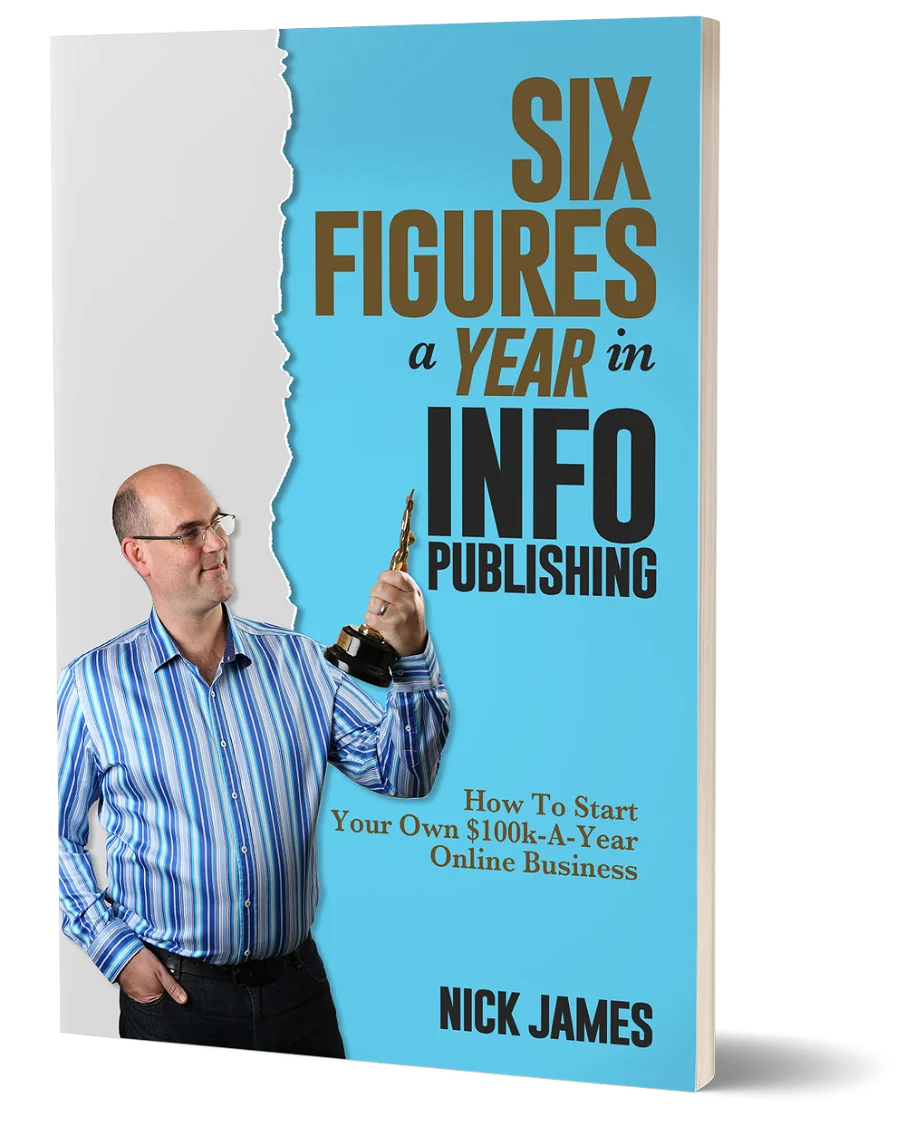
Author offers a FREE copy of this book to his next door neighbor... to prove he's not a drug dealer!
Now claim your FREE COPY.
and follow the step-by-step instructions for making the kind of money (and living the kind of lifestyle) that'll get your neighbors curtains twitching with curiosity!
Enter your details below to discover how to claim your FREE COPY of 'Six Figures A Year In Info Publishing' ...
Privacy Policy : We value your privacy. You can unsubscribe from receiving future emails with 1 click at any time.