
How To Discover The Proven Clues Hiding In Your Own Numbers
I spend a fair chunk of my working week sitting inside spreadsheets of subscriber activity, invoices, and database entries that most people never see. Here is the pattern I keep noticing: the people who most often cannot decide what to create next are usually the people who never look at what they have already created.
They sit down, stare at a blank page, and try to guess what their audience wants. Then they wonder why the guess so often misses.
I think the answer to knowing what to write is sitting right there in your own numbers, if you would only look at them properly. That is the thing we are going to fix today.
Why Guessing Feels Easier Than Checking
Guessing is quick. Checking your own numbers takes ten minutes and a bit of honesty.
Most people skip that ten minutes, not because it takes real effort, but because it feels like admin rather than progress. Writing a new email feels like moving forward. Reading last month’s statistics feels like standing still.
I would argue it is the opposite. The ten minutes you spend reading your own numbers is the only part of this that tells you what to do next. Everything else is a guess dressed up as a plan.
The Numbers You Are Already Sitting On
You do not need fancy software or a data analyst to do this. If you send emails, run a website, or post anywhere at all, you already have a record.
Pull the last three to six months of it together. Note what each piece was about, how many people opened it, how many clicked through to something, and whether anyone replied.
That reply column matters more than people give it credit for. A click tells you someone was curious. A reply tells you someone cared enough to talk back to you.
Line it all up and read through it properly, much as I have done with other articles I have shared recently, before deciding what to build next.
Picture three months of subject lines sitting side by side. One about pricing got twice the usual clicks. One about a tool you were excited about barely got opened at all. One brought in four replies, which is more than anything else sent that quarter. None of that is a guess: it is already sitting in your own numbers, waiting to be read properly.
What To Look For
Do not stop at which one did best. That question is obvious and it rarely teaches you much.
Ask better ones instead:
Which topics kept beating your usual numbers, not just once, but repeatedly? Which pieces brought in new subscribers rather than just a polite click from existing ones?
What do your three weakest pieces have in common, if anything? Which subject did you only cover once, despite it clearly working well the one time you tried it?
The ten minutes you spend reading your own numbers is the only part of this that tells you what to do next.
That last question is often the most useful one. I have lost count of the times someone has a genuine winner sitting in their own history. It was written about once, then abandoned, because nothing told them to go back to it.
It is often the same pattern: one piece on a subject performs far better than anything around it, and then nothing happens next. No follow-up piece, no follow-up series, nothing. The numbers were telling a clear story and nobody was listening.
Turning A Pattern Into Your Next Piece
Once you can see a pattern, do not simply repeat the exact same piece. Build the next one around the same thread, from a slightly different angle.
Say your audience consistently responds well to anything about pricing. That is not permission to write Pricing Tips for the fourth time.
It is permission to go narrower. You might cover how to price a first product, or how to raise a price without losing loyal customers. Another angle is what to do when someone asks for a discount you were not expecting.
One proven thread, several specific pieces. That is a far better use of your time than starting from nothing every single week.
Checking Your Own Numbers Keeps You Honest
There is a quieter benefit to this habit, beyond better content. It stops you from chasing every new idea someone else is excited about.
I think a lot of people in this market overrate the newest tool and underrate the plain evidence already sitting in their own records. You do not need to predict what will work. You need to notice what already has.
This is not about ignoring new ideas altogether. It is about giving your own evidence the first word, rather than the last. A new platform or a new format can still earn a place in your plan, once you have checked it against what your own numbers already show works for your audience.
Set aside ten minutes this week. Pull your last few months of emails or posts together, and read them the way I read mine.
Look for the pattern rather than the single best result, and you will see faster than you expect which of your own numbers are worth building on.
Then write the next piece on purpose. Build it on something your own audience has already told you they want, rather than on a guess you made alone at your desk.
It is a small habit. It pays back far more than the ten minutes it costs.
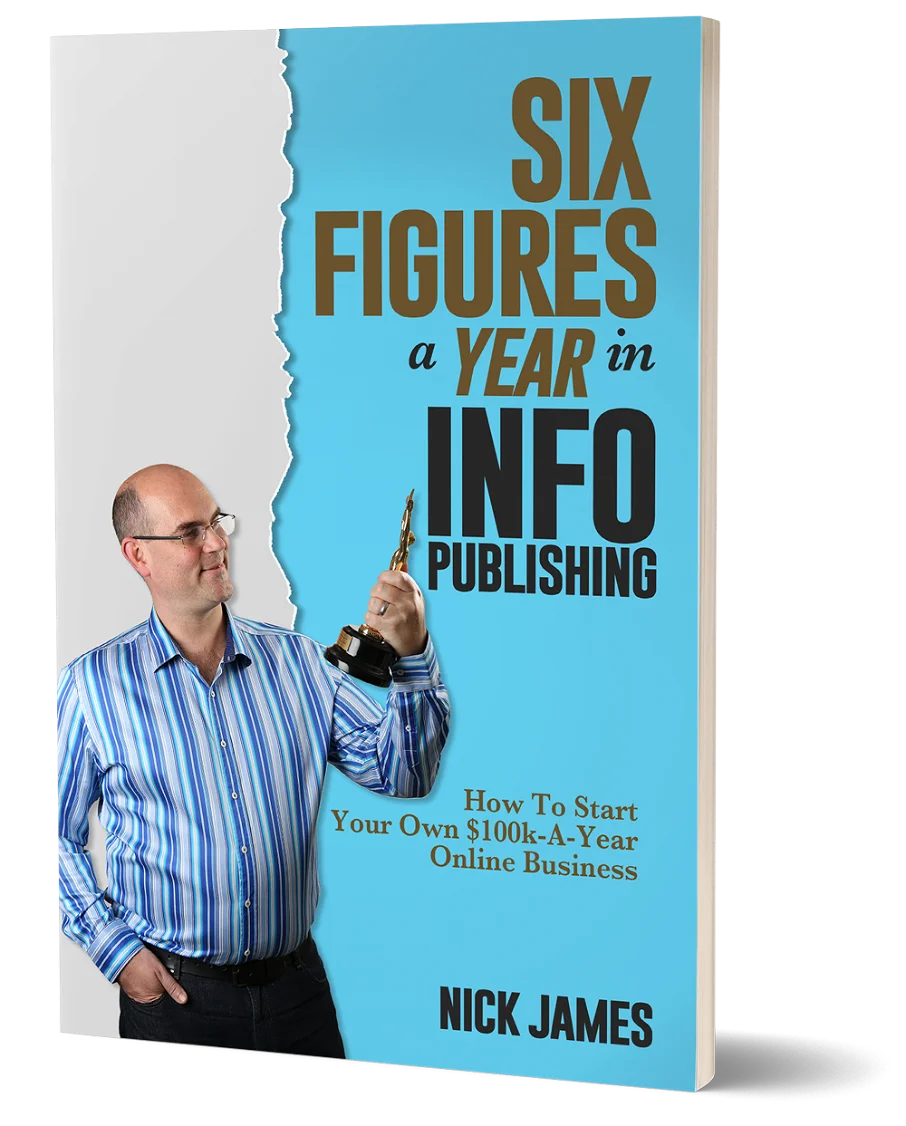
Author offers a FREE copy of this book to his next door neighbor... to prove he's not a drug dealer!
Now claim your FREE COPY.
and follow the step-by-step instructions for making the kind of money (and living the kind of lifestyle) that'll get your neighbors curtains twitching with curiosity!
Enter your details below to discover how to claim your FREE COPY of 'Six Figures A Year In Info Publishing' ...
Privacy Policy : We value your privacy. You can unsubscribe from receiving future emails with 1 click at any time.


